Jobless Claims Fell Below 200,000

And Somewhere, an FP&A Model Just Started Lying
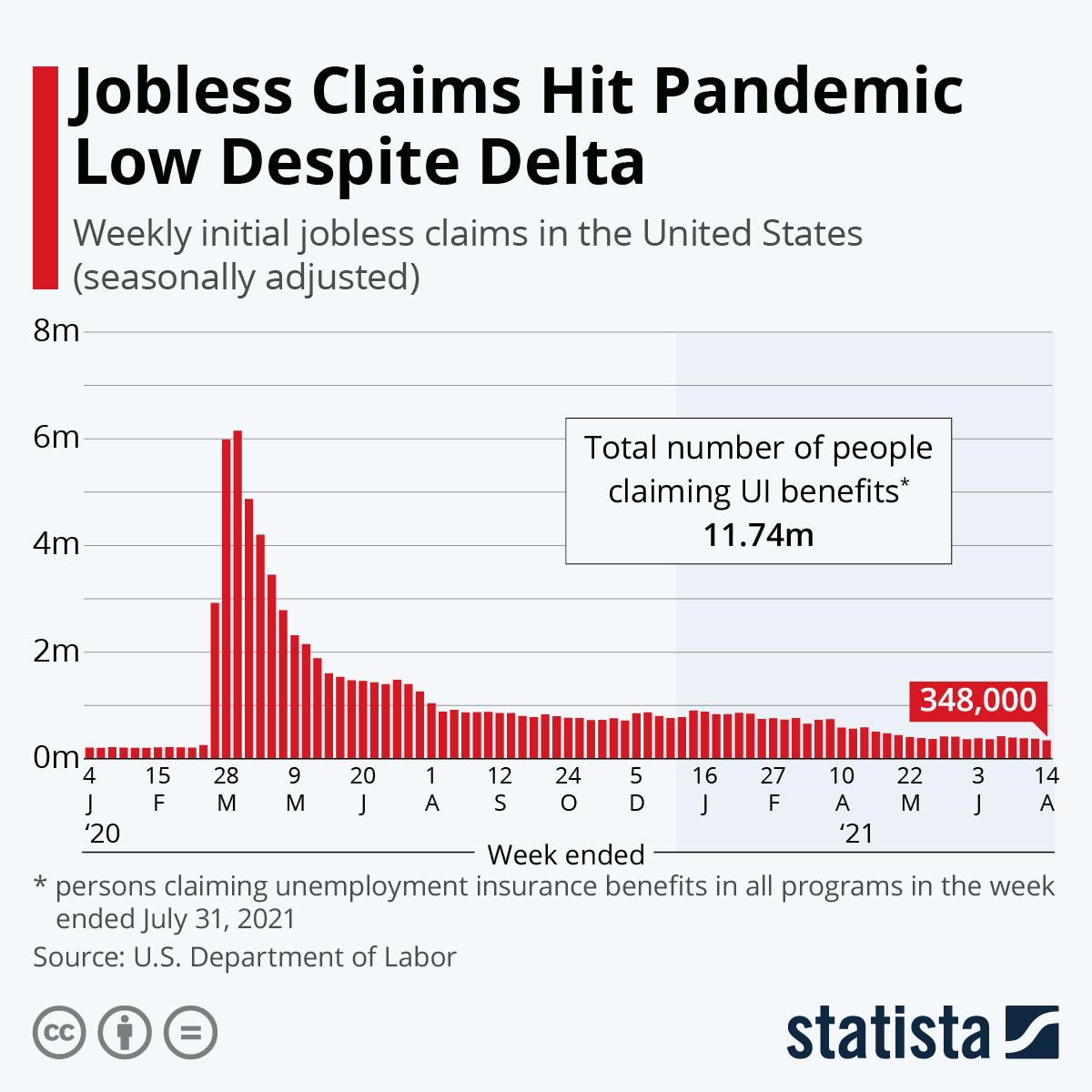
The number dropped.
Below 200,000.
Cue the headline writers polishing the word resilient like it’s a participation trophy.
But if you work in FP&A, that number doesn’t mean “things are fine.”
It means nothing is giving way.
And nothing costs more than pressure that refuses to release.
The number everyone reads wrong
Weekly jobless claims come from the U.S. Department of Labor.
They’re not vibes. They’re behavior.
Claims below 200,000 mean companies are doing something very specific:
They are not firing people — even when they want to.
That’s not confidence.
That’s fear of replacement costs.
The corporate stalemate nobody budgets for
Here’s what this actually looks like inside companies:
Executives want margins back.
Managers want to keep their teams intact.
Employees know they’re expensive to replace.
So no one moves.
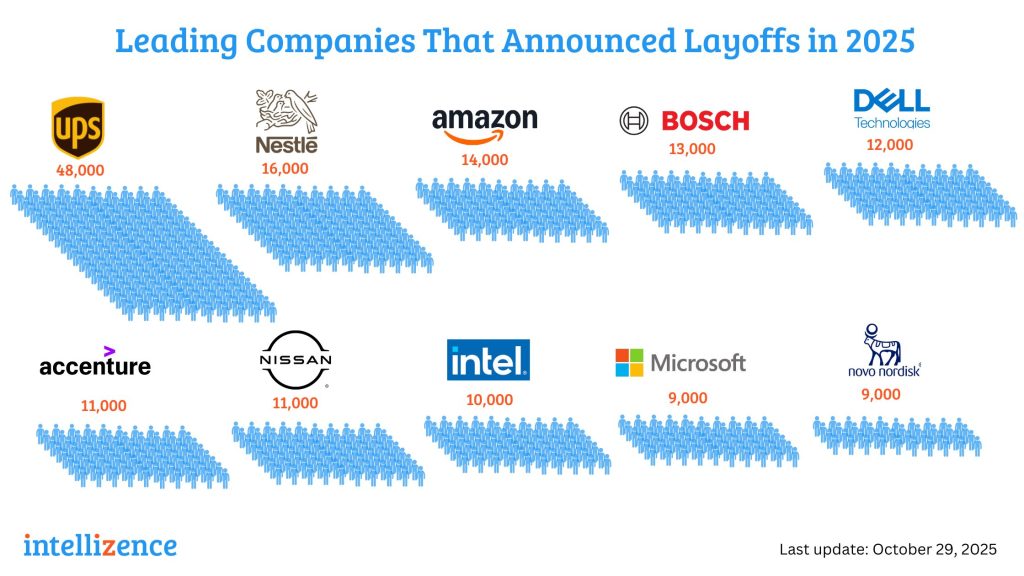
No layoffs.
No relief.
Just salaries creeping up like ivy on an old building.
Every forecast quietly assumes this breaks at some point.
It doesn’t.
Why FP&A gets blamed later
FP&A models are polite.
They assume the labor market will behave rationally.
Headcount slows.
Wage growth cools.
Productivity magically picks up the slack.
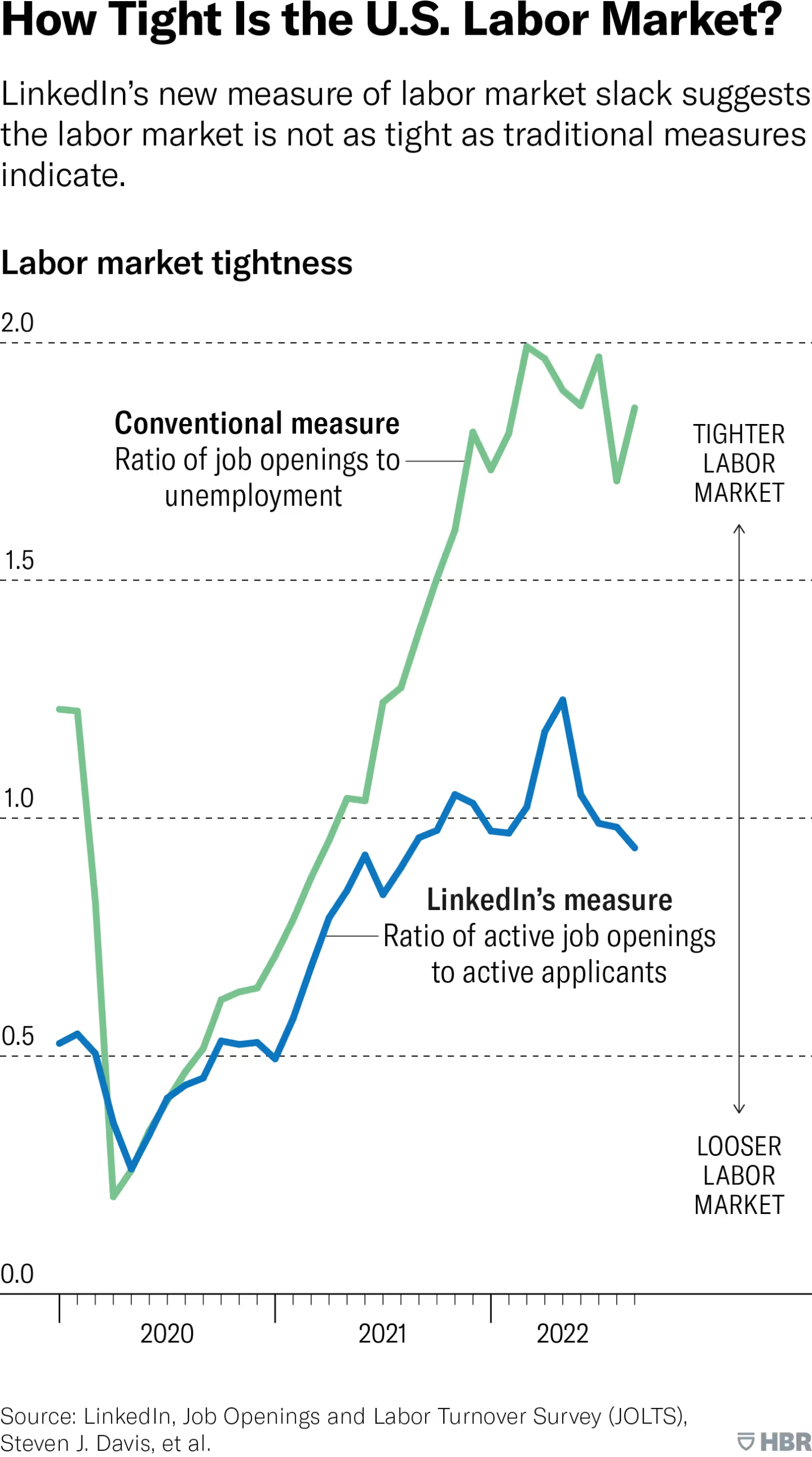
But a tight labor market doesn’t snap.
It grinds.
Instead of layoffs, you get:
Higher retention bonuses disguised as “one-time”
Market adjustments that never roll off
Roles frozen but costs still inflating
The spreadsheet still ties.
Reality doesn’t.
The most dangerous phrase in finance
“Labor stability.”
Stability is what you call it when nothing explodes.
It’s not what you call it when costs keep compounding quietly.
Low jobless claims mean:
You can’t hire cheaper
You can’t downshift easily
You can’t pretend attrition will save you
That’s not upside.
That’s a locked door.
Where good FP&A separates itself
Not by predicting recessions.
By refusing fairy tales.
Strong teams stop modeling headcount like a thermostat and start modeling it like a pressure system.
They ask:
Which roles are price-inelastic?
Where does wage inflation persist even if hiring stops?
What assumptions break if this market stays tight another year?
They don’t sell comfort.
They sell accuracy.
The punchline no one wants
This headline won’t hurt you today.
It hurts you six months from now — when margins miss and everyone swears the forecast “came out of nowhere.”
It didn’t.
The warning was sitting there at 200,000.
The labor market isn’t breaking.
And that’s exactly the problem.